The landscape of education is rapidly changing, and educators are constantly seeking powerful ways to engage students and prepare them for tomorrow’s workforce. Automation and robotics are two cutting-edge technologies that are transforming learning environments, making lessons more interactive, relevant, and fun.
At Career and Technical Training, we’re dedicated to empowering educators with the resources they need to foster innovation. This guide explores five practical ways you can successfully integrate automation and robotics into your classroom to build the skills your students will need for a successful future.
1. Boost Engagement with Hands-On Robotics Projects
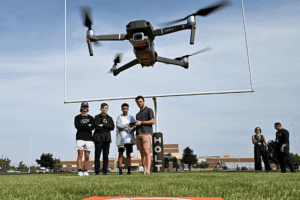
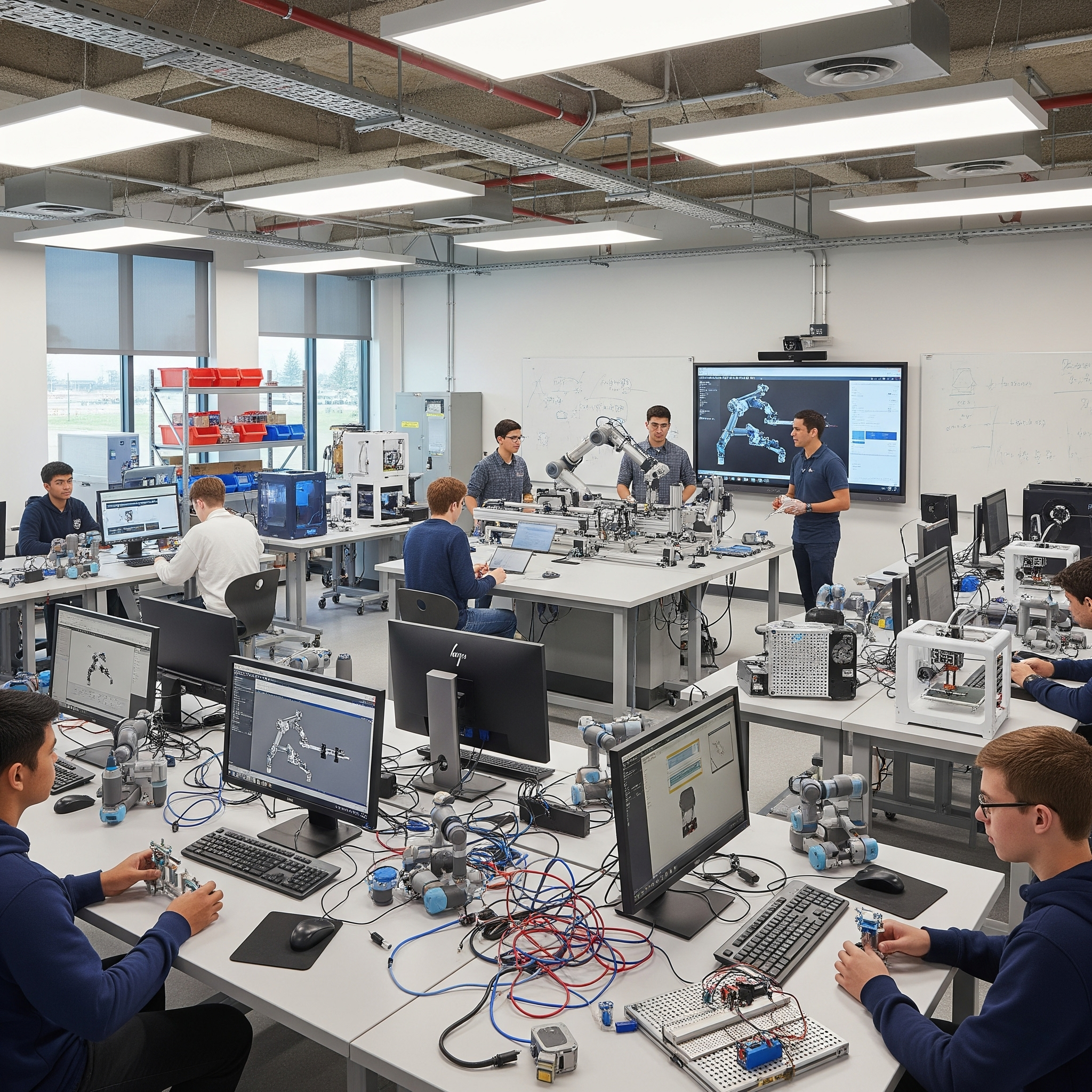
Forget passive learning! Robotics provides a tangible, hands-on way for students to apply theoretical knowledge. Building, programming, and troubleshooting robots ignites their curiosity, fosters critical problem-solving skills, and encourages teamwork. These projects provide a dynamic learning experience that captures students’ attention and makes learning stick. Imagine the excitement as students see their code come to life in a physical creation!
2. Develop Future-Ready Skills for Tomorrow’s Workforce
The 21st-century workforce demands individuals who are adaptable, creative, and collaborative. Integrating automation and robotics naturally cultivates these essential skills. Students learn to analyze problems, design solutions, test their ideas, and work together to achieve a common goal. A study on the educational robotics market found that these programs lead to significant improvements in students’ understanding of coding and robotics design, as well as an increased interest in computing careers. (Source: The Impact of Early Robotics Education)
3. Simplify Complex Concepts Through Tangible Illustration
Abstract scientific and mathematical principles can be challenging to grasp. Robotics offers a powerful way to visualize and interact with these concepts. For example, students can program a robot to demonstrate concepts like gear ratios, forces, or algorithms in a tangible and understandable way. Automation projects can illustrate feedback loops, sensor integration, and control systems, making learning more intuitive and accessible.
4. Integrate AI Learning with Real-World Robotic Systems 🤖
Artificial Intelligence (AI) is no longer a futuristic concept—it’s a critical component of modern technology and a high-demand skill. You can make AI concepts tangible by integrating them with robotics. For instance, a robotic welding arm can be used as a practical example. Students can learn to program the robot to recognize different joint types using a camera sensor and then autonomously select the correct welding path. As a clear indicator of the value of these skills, AI and machine learning specialist jobs were among the fastest-growing globally in 2024. (Source: Future of Jobs Report 2023)
5. Prepare Students for Exciting STEM Careers
The fields of science, technology, engineering, and mathematics (STEM) are rapidly growing, creating a high demand for skilled professionals. Introducing students to automation and robotics early on can spark their interest in these areas and build foundational skills that will set them on a path toward rewarding STEM careers. The global educational robot market was estimated at USD 1.38 billion in 2024 and is projected to reach USD 5.84 billion by 2030, which shows that institutions worldwide are recognizing the necessity of this technology. (Source: Educational Robot Market Report)
Ready to Bring Innovation to Your Classroom? Integrating automation and robotics doesn’t have to be daunting. Start small, explore the available resources, and be open to experimentation. The benefits for your students—increased engagement, development of future-ready skills, and a deeper understanding of complex concepts—are well worth the effort.